Direct Current Board
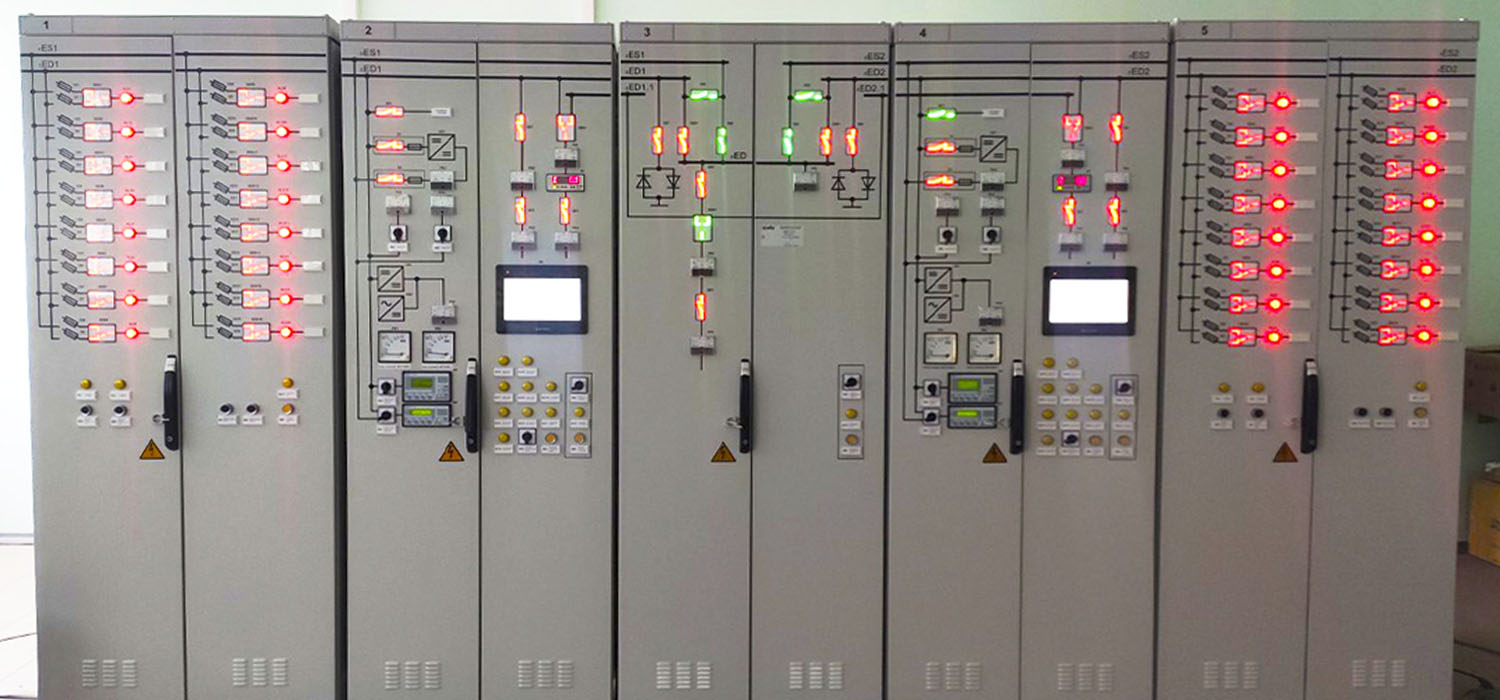
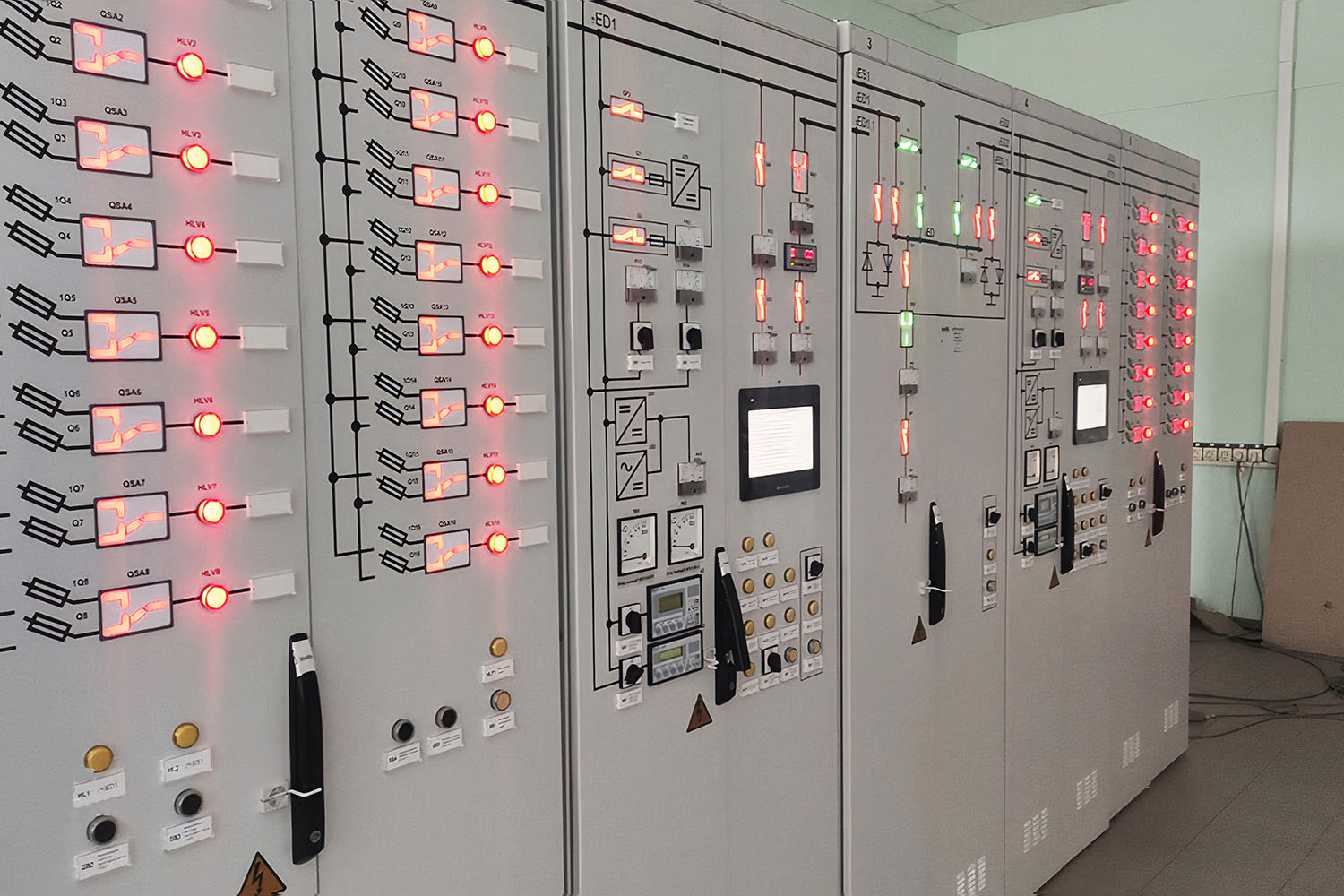
A Direct Current Board (DCB) is a specialized electrical device that supplies consumers with direct current (DC) and voltage. DCBs are used to power equipment that operates on direct current, as well as to provide backup power in case the main network voltage is lost. The Direct Current Board plays an important role in systems whose function is the distribution of electrical energy, ensuring reliable power for “critical” consumers.
Electrical equipment (DCBs, transformer substations, etc.) is essential for centralized, safe, and efficient management of electrical supply at all levels of the power system – from power sources to end users.
Areas of application of Direct Current Board
Power supply systems cannot function without Direct Current Boards, as they ensure reliable distribution, protection of electrical networks, and control of constant voltage for the uninterrupted and safe operation of equipment. Direct Current Boards are widely used in:

Industrial
facilities
Power supply for drives, controllers, and sensors, which is extremely important for plants, factories, industrial complexes, and similar facilities

Solar
power plants (PV stations)
Used for distributing current between photovoltaic modules, inverters, and batteries

Uninterruptible
power supply systems (UPS)
Serve as a part of systems with battery banks and inverters

Telecommunications
systems
Power supply for equipment that requires a stable source of direct current

Railway and urban
electric transport
Power supply for traction equipment
Main characteristics and design of a Direct Current Board
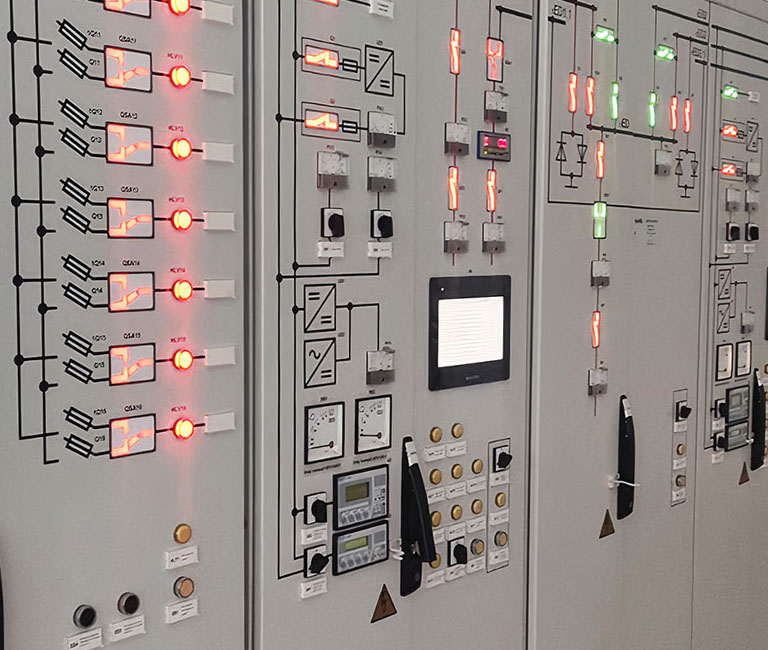
The main structural elements include:
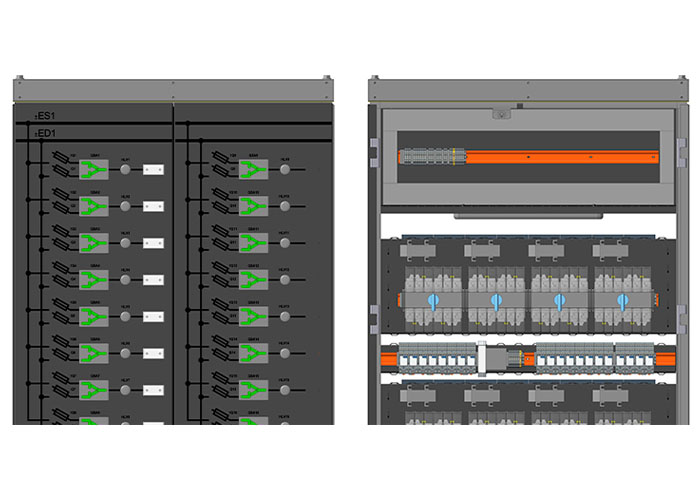
- Input and output terminals or busbars for connecting power sources and consumers;
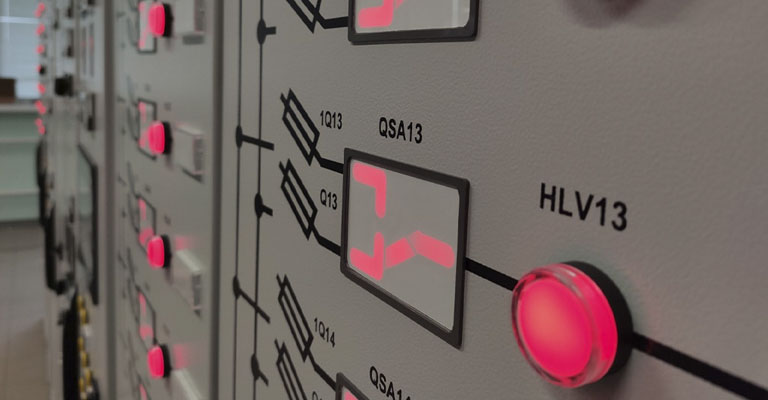
- Automatic circuit breakers or fuses that protect against short circuits and overloads;
- Voltage and current controllers, sometimes equipped with monitoring and signaling functions;
- Grounding and insulation systems for safety;
- A metal or plastic enclosure with IP rating depending on operating conditions.
Boards can be either stationary or wall-mounted, single-section or modular, depending on the complexity of the system and the number of connections.
Advantages of using a Direct Current Board in industry
- High reliability. Less influence from voltage fluctuations, lower risk of failures, and the ability to safely switch to emergency power.
- Energy efficiency. Reduced transmission losses at the same power level compared to alternating current.
- Compactness. Smaller equipment size.
- Compatibility with alternative energy sources. Easily integrates into solar power plants and systems with energy storage.
- Configuration flexibility. Allows precise adjustment to the needs of the facility.
How to Choose a Direct Current Board for Your Facility
Modern industry cannot function without reliable equipment that ensures stable operation of technological processes. Radiy’s industrial equipment is designed to fully meet the needs of production projects. When choosing a DCB, it is important to consider:
- Voltage and load current — depends on the specifications of your equipment;
- Number of consumers and connection scheme (single-line or multi-line);
- Type of protection — make sure to include fuses or circuit breakers with the appropriate rating;
- Operating conditions — protection rating (IP), resistance to temperature, dust, and moisture;
- Possibility of expansion — reserve space for future connections;
- Certification and compliance with standards — to ensure quality and safety.
Without reliable and tested DCBs, stable operation of critical infrastructure facilities is impossible.