
Radiy Experts Provided Technical Support for Testing the System for the RNPP Power Unit
18.03.2026
Visit of the State Employment Center Director to Radiy: Focus on Personnel and Engineering Potential
01.04.2026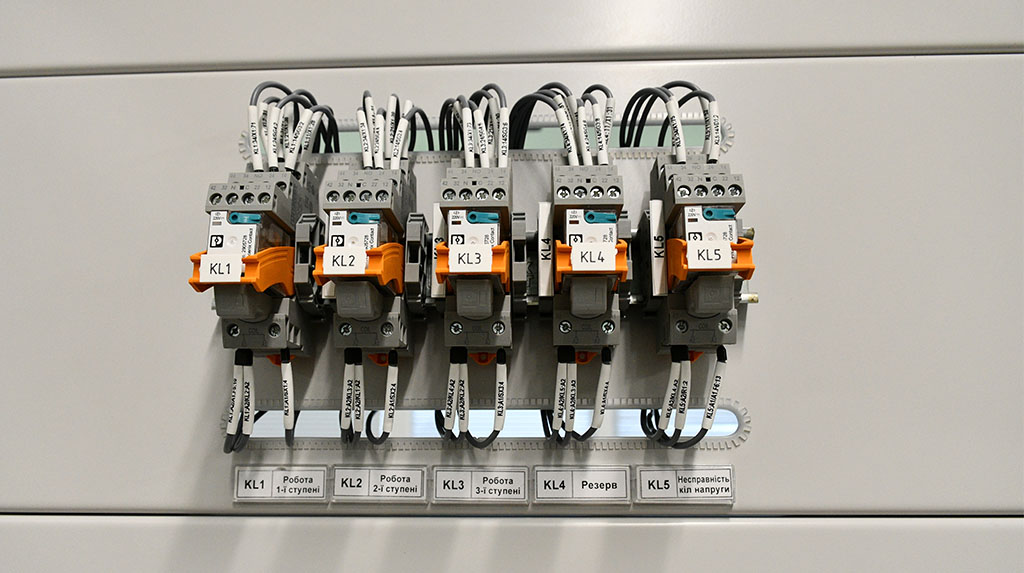
Relay protection and automation (RPA) are critical systems in electrical networks. RPA automatically detect faults and emergency situations, then take action to disconnect the damaged section of the network to protect equipment and ensure stable and reliable power supply.
What is Relay Protection and Automation?
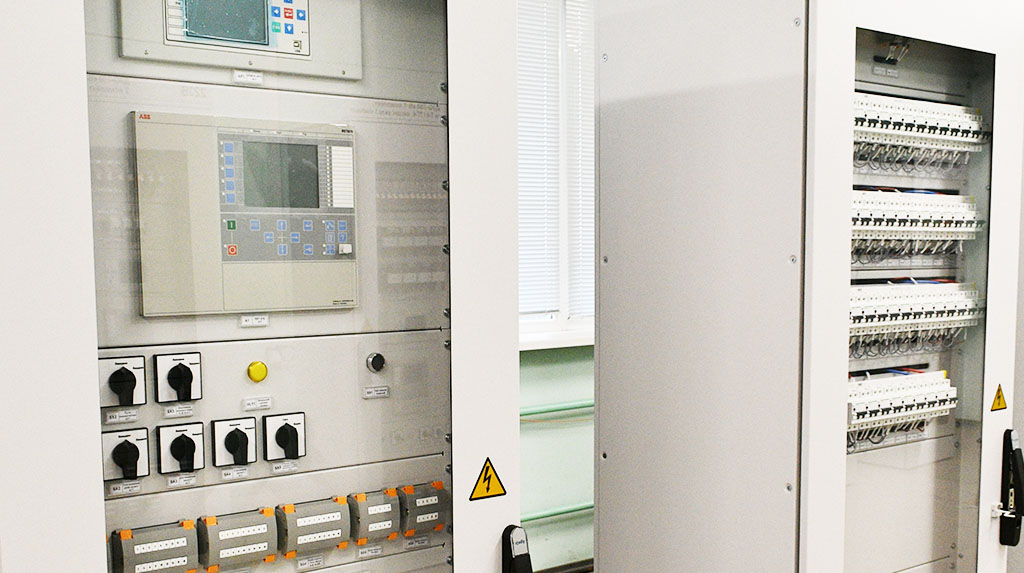
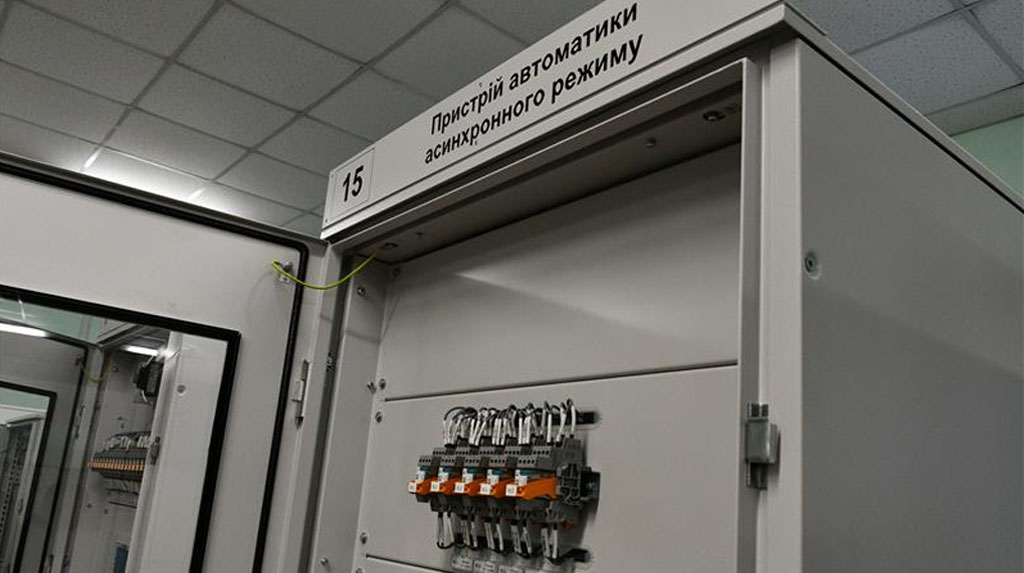
Relay cabinets include microprocessors, control devices, and communication systems for monitoring network parameters, signaling abnormal conditions, and facilitating remote control and monitoring of circuit breakers and other components.
Relay panels are enclosed or segregated metal structures that house relays or control elements. They are designed and manufactured in accordance with current IEEE, NEMA, NEC, and ANSI standards. RPA can be manufactured in rack-mounted or enclosure configurations.
What are the Benefits of Using RPA?
- Energy Efficiency. Implementation of new technologies and systems to reduce overall energy consumption and dependence on external sources.
- Infrastructure Modernization. Replacement of aging components, implementation of innovative materials, and use of prefabrication for rapid installation of new substations (substation relay protection).
- Energy Storage. Construction and implementation of highly efficient energy storage systems to balance supply and demand.
- Safety. Comprehensive protection and automation systems minimize accident risks, and the power system remains stable even during peak load periods.
Operating Principle of Relay Protection
RPA detect various power system problems such as short circuits, overcurrent conditions, and voltage deviations. After detecting a fault, the system quickly isolates the affected equipment or line, preventing subsequent damage. For example, this may involve automatic disconnection.
Relay protection systems provide signals to operators, indicating emergency events and abnormal operating conditions, which assists in fault detection and restoration. They enable remote and local control of switching devices such as circuit breakers, as well as performing other monitoring and control functions.
Relay protection equipment also continuously monitors key power system parameters: voltage, current, and frequency.
Main Types of Relay Protection
Below are the main types of relay protection used in electrical power installations, including packaged transformer substations (PTS):
- Overcurrent Protection (instantaneous overcurrent protection, time-delayed, and current cutoff).
- Maximum Current Protection (detects current exceeding a set threshold, used on lines, feeders, transformers, motors).
- Differential Protection (compares currents at the input and output of equipment (transformer, generator, busbar), if the difference exceeds the norm, an internal fault has occurred).
- Overload Protection (responds to prolonged exceeding of rated current, protects transformers, cable lines, motors from thermal loads and winding overheating).
- Ground (Zero-sequence) Protection (detects ground faults).
- Microprocessor-Based Relay Protection (combines several functions: overcurrent, differential, distance protection, automation, etc.). Used in most new PTS and substations.
- Remote Protection (determines fault location by impedance change on the line, used on high-voltage network lines of 110 kV and above).
- Transformer Gas Protection (responds to gas evolution inside the transformer in case of winding damage or oil insulation failure). Classic and highly effective protection for oil-filled transformers.
- Frequency Protection (detects network frequency deviation from the rated value (typically 50 Hz), used to prevent imbalance between generation and load).
- Overvoltage and Undervoltage Protection (especially relevant during unstable power supply and operation of mechanisms sensitive to voltage level).
Where Relay Protection is Used: Purpose
- Power Generating Industry (power plants and substations).
- Power Transmission Lines.
- Industrial Enterprises.
- Municipal and Utility Power Networks.
- Transportation Infrastructure.
- Renewable Energy.
Why is Relay Protection Critical for the Power Grid?
Personnel Safety. Reliable electrical components minimize the risk of electric shock, fire, and emergency conditions. This is especially important in residential buildings, offices, and manufacturing facilities where there are large numbers of people.
Equipment Protection. Voltage fluctuations, short circuits, or overloads can destroy expensive equipment – from household appliances to industrial machinery. High-quality distribution cabinets and protective equipment prevent these threats from disabling the system.
Business Continuity. In industry and business, even a few minutes of downtime can mean significant financial losses. Reliable solutions ensure stable equipment operation and rapid recovery after failures.
Energy Efficiency. Comprehensive systems with consumption monitoring enable avoidance of energy waste, load optimization, and reduction of electricity bills.
Standards Compliance and Power Engineering Safety. High-quality electrical solutions comply with international and national standards (IEC, DSTU, GOST), ensuring long-term and safe operation.
How to Select Relay Protection for Facilities?
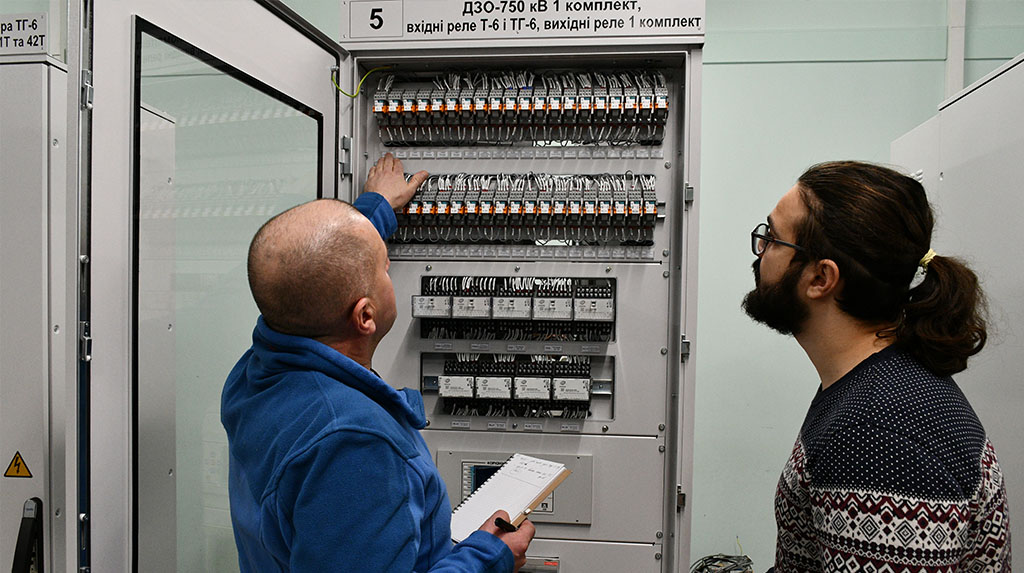
Radiy’s engineers can design a turnkey system based on your specifications, single-line diagrams, and drawings. Projects are executed using the latest design software and submitted to you for review for rapid implementation.
Radiy’s workmanship and materials are of first-class commercial quality and comply with best manufacturing practices. Relay and control panels are manufactured according to customer specifications based on project requirements.
Radiy’s equipment is also used for modernization projects, and specialists offer services ranging from facility reinforcement to prefabrication of modular substations to enhance network resilience and efficiency.
Relay protection consists of high-tech devices that ensure safe and uninterrupted operation of power facilities. In industry, virtually all main types are applied: from maximum current to microprocessor-based, depending on the substation class and reliability requirements.

