

From A Classroom Desk to Engineering Position: Career Exploration Tour at Radiy
17.04.2026
New-Generation Ukrainian Buses: Radiy Will Supply Key Components for the Production of the ATAMAN A140 Bus
05.05.2026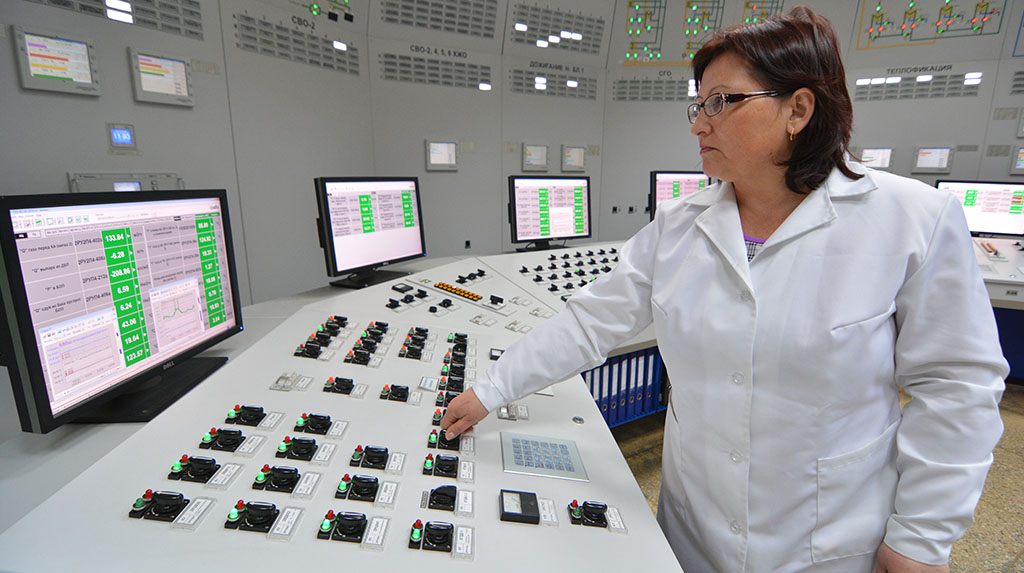
Ukraine’s power system is a highly sophisticated, hierarchically structured infrastructure that integrates electricity generation, transmission, distribution, and consumption into a single, comprehensively managed system. It operates as part of the European energy market and has a high degree of centralized management.
Ukraine’s power grid follows the same model used throughout the European Union. This means that the structure of the system – electricity generation, transmission across the country, local distribution, and sales to consumers – is managed by different companies. Some of these functions are performed by state-owned companies, while other parts of the system are open to private investment and competition, as this promotes efficiency, innovation, and better outcomes for consumers. This is precisely how modern European electricity markets are structured.
What Is an Electrical Grid: Basic Definition and Structure
The power grid in Ukraine is the infrastructure “circulatory system” of the energy sector, ensuring the transmission and distribution of electricity from generation sources to the end users in line with specified quality and reliability standards. One of the key principles of its effectiveness is energy safety.
The power grid consists of:
- Power lines (overhead and underground),
- Substations,
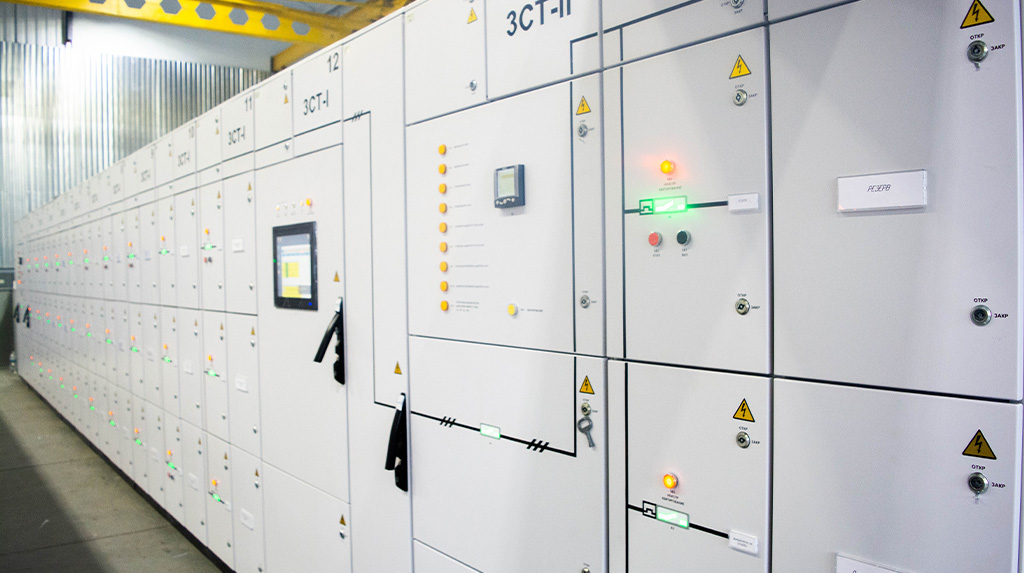
- Distribution equipment (e.g., Packaged Transformer Substation),
- Control and protection systems (e.g., relay protection systems),
These components operate as a single system for transmitting electricity.
Electricity is typically generated using rotating turbines. The energy used to drive these turbines can come from various sources: nuclear, coal, gas, hydro, or wind. Electricity generation is open to market competition. Numerous companies, both public and private, generate electricity using various fuel sources and technologies
How Power Grid Works in Ukraine?
Power Generation
Ukraine has a diversified balance of energy sources. Nuclear power plants (NPPs) provide the base load for the power grid, generating more than half of all electricity in Ukraine; the largest operator is Energoatom. Thermal power plants (TPPs) run on coal, gas, or fuel oil and are used primarily to cover peak loads. Hydroelectric power plants (HPPs) and pumped-storage power plants (PSPPs) play an important role in balancing the system, as they can be started up quickly and change their operating mode. At the same time, renewable energy sources, particularly solar, wind, and bioenergy facilities, are being actively developed, although their generation remains dependent on weather conditions and is therefore unstable.
Power Transmission
Electricity is transmitted via high-voltage lines with voltages ranging from 330 to 750 kV (these are power transmission lines), which form the backbone infrastructure of the power system. The transmission system operator in Ukraine is Ukrenergo, which is responsible for ensuring the continuity and stability of its operation. The company balances the electricity supply and demand in real time, dispatches power units, and manages emergency situations. It is at this level that critical decisions are made to ensure uninterrupted power supply 24/7. In fact, it is the “brain” of the entire power system.
Electricity Distribution
At lower voltage levels (110–0.4 kV), distribution system operators (regional power companies) are responsible for delivering electricity to businesses, households, and infrastructure facilities. These are regional companies that manage local power grids.
Control and Balancing
The power system has to maintain a 50 Hz frequency and balance generation and consumption every second. To achieve this, automatic control systems are used, employing flexible power sources (hydroelectric and thermal power plants) and emergency reserves.
Integration with Europe
Since 2022, Ukraine’s power grid has been synchronized with the European power grid, ENTSO-E. This is an association of European electricity transmission system operators that forms a unified energy ecosystem for continental Europe (43 operators from 39 countries). The organization is responsible for the synchronization, stability, and reliability of electricity supply at the international level. Its activities are aimed at ensuring the safe operation of power grids, the efficient exchange of electricity, and market integration. In fact, ENTSO-E serves as a single coordination center that enables the power systems of different countries to operate as a coordinated mechanism. And this means:
- Ability to import/export electricity,
- Common stability standards,
- Enhanced energy security and power stability.
How Electricity Is Transmitted
Electricity is supplied via high-voltage transmission lines, which allow large amounts of energy to be transported over long distances with minimal losses. For this purpose, the voltage is stepped up at power plants, which reduces the current and, consequently, heat losses in the lines. Ukrenergo plays a key role in this process in Ukraine, managing electricity flows in real time. The system is designed to ensure frequency stability and a balance between generation and consumption. Transmission is made via both overhead and underground lines, depending on conditions and load.
Substations and Transformers: How Voltage Levels Change
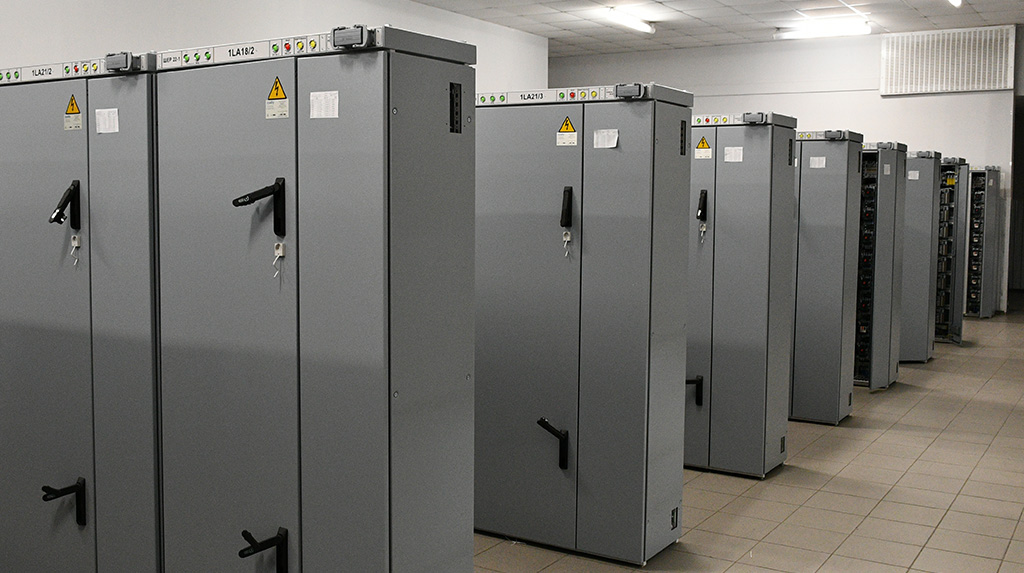
Substations are key nodes in the power grid where voltage levels are adjusted according to the stage of power transmission or distribution. Transformers play a central role, either stepping up the voltage for efficient transmission or stepping it down to a safe level for consumption. This allows for the optimization of the entire system’s operation and minimizes energy losses. In addition to transformation, substations provide network switching, load redistribution, and equipment protection against failures. They are equipped with modern automation and relay protection systems that respond to any deviations in parameters. It is through substations that electricity is “adapted” to the needs of different levels: from the transmission grid to the end user.
How Electricity Is Delivered to Households and Businesses
In simple terms, it works as follows:
Power plants → Transmission grids → Distribution grids → Consumers
The most important aspect of this system is its controllability: the system functions as a single “living organism,” and any imbalance instantly affects the entire country.
The Power Grid in Wartime
The war is putting enormous strain on this system. Russia is systematically targeting energy infrastructure with missiles and drones, destroying or damaging Ukraine’s power generation capacity. The Zaporizhzhia Nuclear Power Plant has been occupied by the aggressor since 2022. This plant used to generate 6,000 MW of electricity. Ukraine’s power grid has lost approximately two-thirds of its pre-war capacity. DTEK, the country’s largest private energy company, has been particularly hard hit: about 70% of its thermal generating capacity has been damaged, destroyed, or seized. Human losses were also severe, as engineers regularly carried out repair work under fire and suffered fatalities and casualties in the process. The main cause of power outages is intense enemy strikes on energy infrastructure, leading to emergency power cuts in most regions, especially during low winter temperatures (special schedules are in effect).
Ukrainian energy professionals are also devoting significant efforts to rebuilding Ukraine’s energy system. A perspective plan has been developed to modernize electricity generation and supply, with the aim of strengthening the European energy model in Ukraine over the long term.
The system operates under conditions of heightened risk:
- Damage to power generation facilities and transmission networks,
- Need for rapid restoration,
- Shortages of electricity and other critical resources,
- Implementation of rolling blackouts.
This requires:
- Reliable equipment (including equipment for nuclear power plants, thermal power plants, etc.),
- Flexible management,
- Backup,
- Cybersecurity.
How the Power Grid Is Protected In Ukraine
The power grid protection system in Ukraine is a multi-layered system that combines engineering solutions, automation, digital technologies, and operational management. Its primary goal is to prevent outages or contain them within fractions of a second to avoid cascading blackouts.
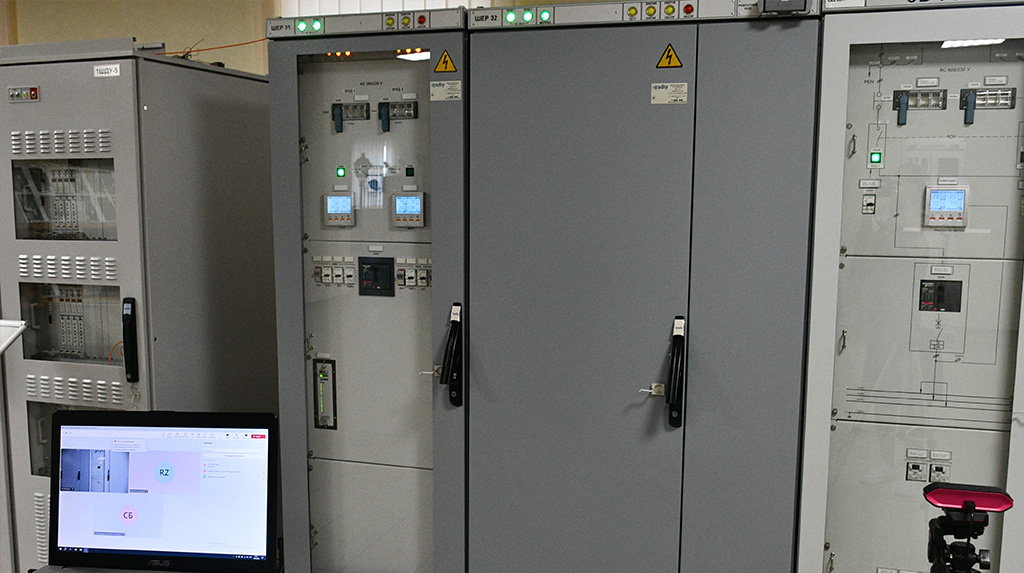
Relay protection and emergency automation systems play a key role at the technical level. These are specialized devices that continuously monitor current, voltage, and frequency and instantly isolate damaged sections of the grid. In addition, automatic control systems operate to stabilize the power system’s parameters in real time.
Redundancy and a flexible network architecture are implemented at the infrastructure level. Power lines and substations are redundantly installed, and the system is segmented so that power flows can be quickly rerouted in the event of a failure. Another key factor is modernization, specifically the implementation of digitally controlled transformer substations and advanced control systems.
Ukrenergo is in charge of centralized management, coordinating the operation of the power grid, balancing the load, and responding promptly to emergencies through its control centers.
Cybersecurity plays a key role, as modern power grids are digital. Systems for protecting against cyberattacks, monitoring anomalies, and network segmentation are used to reduce the risk of external interference.
Additional measures are also implemented in high-risk situations:
- Backup power supply systems and mobile substations,
- Emergency equipment reserves for rapid restoration,
- Consumption restriction schedules for system balancing,
- 24/7 continuous monitoring of grid status.
Power grid protection is a combination of technology, engineering, and operational management that has to work in tandem to ensure stability even under crisis conditions.
National Security
Ukraine’s power grid is not merely infrastructure, but a strategic national asset. Its strength and resilience are based on a combination of nuclear power generation, flexible reserve capacity, and digital control.

