

Position Indication Mechanisms for Khmelnytskyi NPP
29.07.2026
Digital Substation: How It Differs from a Traditional Substation and What Benefits It Offers to a Company
11.08.2026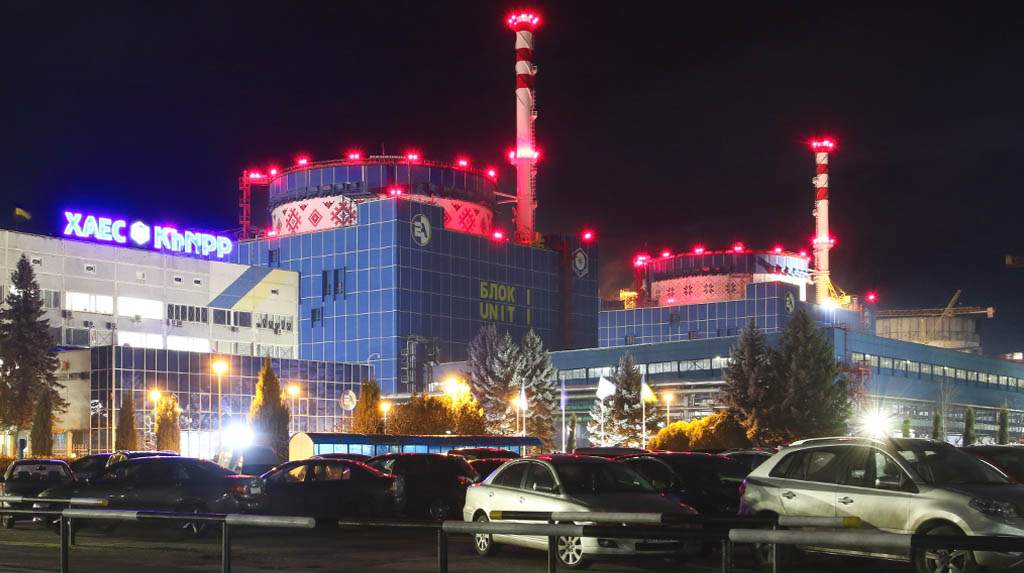
Radiation safety is the foundation of the NPPs’ safe operation, as it ensures protection of personnel, population, and the environment from the effects of ionizing radiation. It is maintained through a combination of modern technologies, multi-level protection systems, continuous monitoring of all operational processes, and strict adherence to nuclear and radiation safety rules and regulations.
What Is Radiation Safety and What Is It Based On
Radiation safety at NPPs is based on three fundamental principles of protection and a multi-level system of continuous monitoring. The main components of this process include dosimetry principles, physical protection measures, and instrumental monitoring.
Basic Principles of Radiation Safety
- The principle of justification: giving priority to safety requirements over economic, technical, scientific, and other objectives.
- The principle of optimization: keeping radiation doses as low as reasonably achievable, considering economic and social factors.
- The principle of not exceeding the individual dose limits for personnel and the public established by law.
Physical Protective Factors
- Time-based protection: reducing the duration of a person’s exposure to ionizing radiation.
- Buffer distance: moving away from the radiation source, since radiation intensity drops sharply with increasing distance.
- Shielding: using materials (lead, concrete, water) to absorb gamma rays and neutrons.
Control and Monitoring System
- Individual dosimetric monitoring: tracking the radiation doses received by each plant employee.
- Process monitoring: checking the leak-tightness of reactor circuits and the condition of equipment for NPPs.
- Automated radiation situation monitoring system (automated monitoring): continuous real-time monitoring of radiation levels on the NPP premises and within its safety zone.
Radiation Exposure Limits: What Ukrainian Standards Specify
In Ukraine, radiation exposure limits are defined by the Radiation Safety Standards of Ukraine (NRBU-97) and other regulatory documents in the field of radiation protection. These standards establish the maximum permissible radiation exposure levels for different categories of people, depending on the conditions of their activities and potential exposure to sources of ionizing radiation. All projects for NPPs are developed with mandatory consideration of these standards.
The main standards provide for:
- Category A personnel (workers who directly handle sources of ionizing radiation) – 20 mSv per year on average over any five-year period, provided that the dose in any single year does not exceed 50 mSv.
- Category B personnel (workers who may be exposed to radiation due to their working conditions) – no more than 2 mSv per year.
- Population – no more than 1 mSv per year, excluding natural background radiation and medical procedures.
|
Organ/Tissue |
Population |
Category A Staff |
|
The Eye’s Lens |
15 mSv/year |
50 mSv/year |
|
Skin |
50 mSv/year |
500 mSv/year |
|
Hands and Feet |
— |
500 mSv/year |
Note: There is a separate exposure limit – 500 mSv per year – for the hands and feet, which applies only to Category A personnel. No separate limit is set for these body parts for the civilian population.
It should be noted that these restrictions do not apply to medical exposure of patients. During diagnostic or therapeutic procedures, the dose is determined by medical indications and the principle of optimization, whereby the level of exposure must be the minimum necessary to achieve the clinical outcome.
The Deep-Layered Defense Strategy: Five Levels of Safety at NPPs
Defense in depth is one of the fundamental safety principles for NPPs, recommended by the IAEA and incorporated into the national regulatory documents of most countries around the world, including Ukrainian NPPs. Its essence lies in creating several independent and complementary levels of protection that prevent accidents from occurring or minimize their consequences even in the event of a failure of individual systems.
5 levels of protection:
- Preventing failures: reliable design, high-quality equipment, and a culture of safety.
- Monitoring deviations: automatic detection and correction of operational irregularities.
- Managing design-basis accidents: activation of emergency protection and cooling systems in the event of a radiation hazard.
- Management of severe accidents: localization of the consequences and prevention of radioactive releases.
- Emergency response: protection of the public and the environment in the event of an emergency involving a radiation threat, and “mitigation”/elimination of the radiological consequences of significant releases of radioactive materials.
Each level operates independently, ensuring a high level of nuclear safety.
How Is Radiation Safety Monitoring Carried Out in Practice
Radiation safety monitoring at NPPs is carried out continuously. It includes automatic monitoring of background radiation, monitoring of air, water, and equipment, individual dosimetric monitoring of personnel, and regular inspections of safety systems. All readings are compared with established standards, and in the event of deviations, protective procedures are automatically triggered.

The Role of Modern Automation and Control Systems in Ensuring Radiation Safety
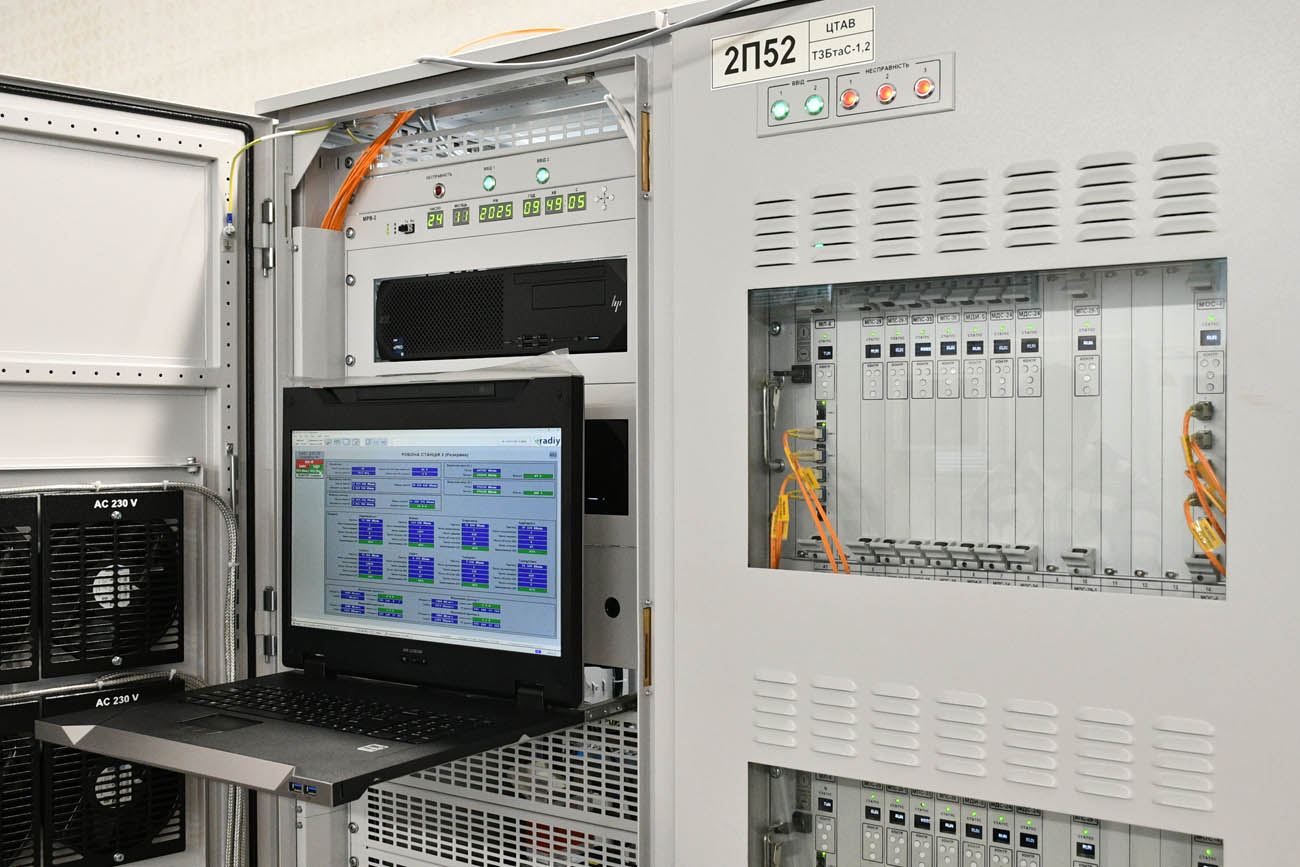
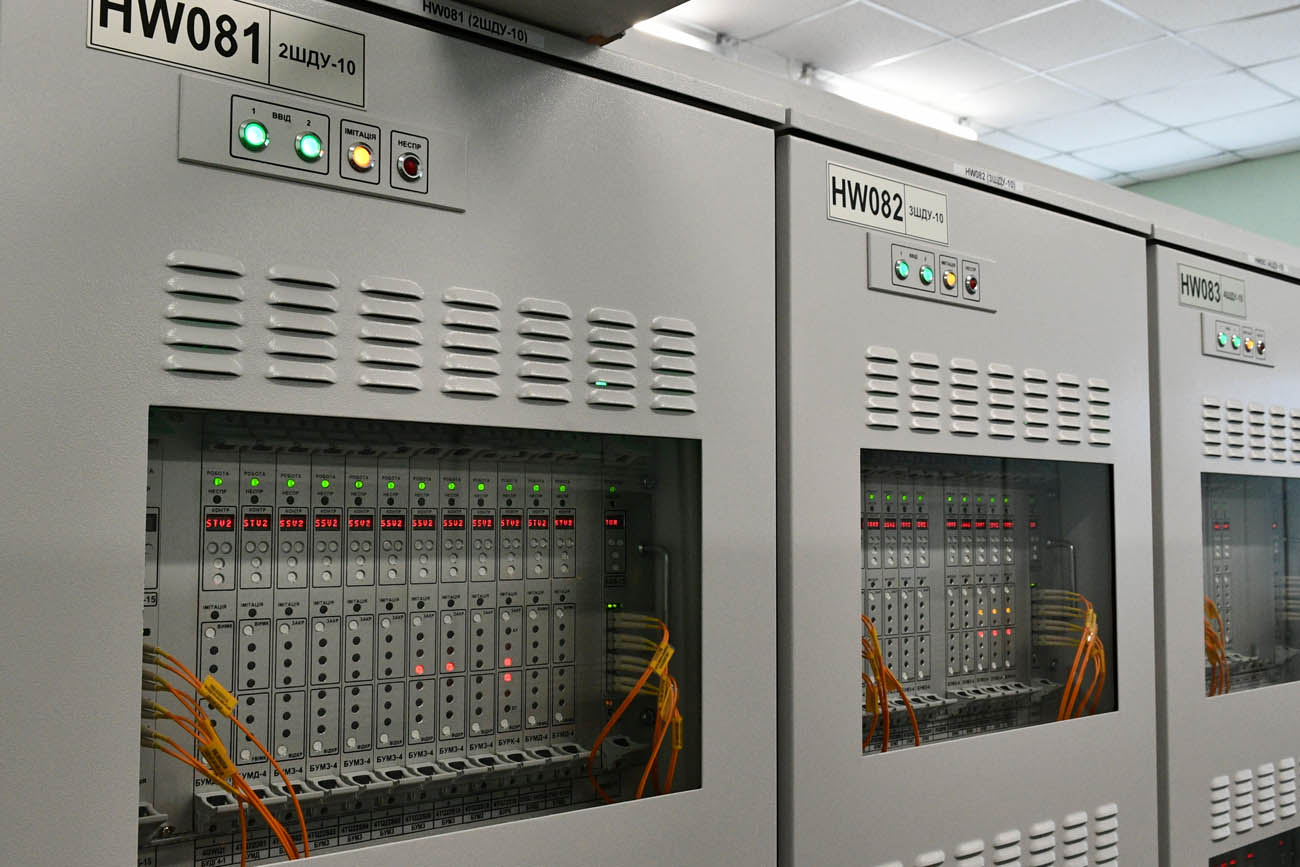
Modern automation and control systems ensure continuous monitoring of NPP operations, promptly detect anomalies, and automatically activate safety algorithms. This ensures operational reliability and minimizes the risk of accidents.
Main Functions of the Systems:
- Continuous monitoring of process parameters
- Automatic detection of deviations
- Activation of protection and emergency cooling systems
- Monitoring of the radiation situation
- Support for operators in decision-making
Radiation safety at NPPs ensures reliable protection for personnel, the public, and the environment through multi-layered safety systems, continuous monitoring, and strict adherence to international standards.

